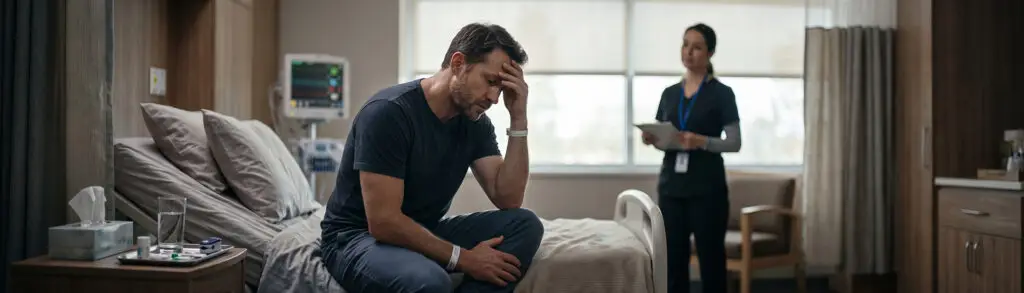
Sublocade is a monthly prescription injection used to help adults manage moderate to severe opioid use disorder. It contains extended-release Buprenorphine, which gradually delivers medication to help control withdrawal symptoms and cravings.
A healthcare provider administers the injection under the skin as part of a complete treatment plan. Unlike daily buprenorphine medication, Sublocade provides continuous medication between scheduled injections. For some people, reducing the need for daily medication can make treatment easier to manage.
Are you or someone you love struggling with the exhausting cycle of opioid dependence? Let’s explore how Sublocade works and how it may help you reclaim your life. Keep reading!
What Does This Blog Cover?
- What the Sublocade shot is?
- How does the Sublocade shot work?
- How Sublocade is administered?
- Who can receive Sublocade treatment?
- Sublocade dosage and treatment schedule
- Key benefits of the Sublocade shot
- Common Sublocade side effects and risks
- Sublocade compared with other OUD medications
- How long Sublocade stays in-system?
- Understanding Sublocade treatment costs
- Whether Sublocade suits your treatment needs
Quick Answer: Sublocade is a monthly prescription injection containing extended-release buprenorphine for adults with moderate to severe opioid use disorder. An addiction recovery expert administers it beneath the skin to help manage withdrawal symptoms and cravings. The present guide explains its use, dosage, benefits, risks, and overall treatment considerations.
What Is the Sublocade Shot?
The Sublocade shot is a once-a-month prescription injection used to treat moderate-to-severe opioid use disorder in adults.
An addiction medication professional administers Sublocade under the skin, where it gradually releases Buprenorphine over time. The medication can help manage opioid withdrawal symptoms and cravings throughout the treatment period.
Because Sublocade works continuously, you do not need to remember a buprenorphine dose every day. This long-acting approach may provide greater treatment consistency while you focus on other aspects of recovery. Your brain’s withdrawal symptoms are minimized, and your intense cravings are reduced.
How Does the Sublocade Shot Work?
The Sublocade injection provides extended-release Buprenorphine if you are navigating recovery from opioid use disorder. This monthly prescription medication works steadily beneath the skin to ease cravings. It may offer a continuous path toward stability. Here’s how it works
- Extended-Release Depot Formation: A healthcare provider injects liquid Sublocade beneath the skin. The medication forms a solid gel known as a “depot” at the injection site. This gradually releases Buprenorphine into the body over time.
- Steady Medication Delivery: Sublocade provides continuous buprenorphine exposure between monthly injections. The approach reduces the need to take buprenorphine medication every day.
- Receptor Binding and Activation: Buprenorphine acts as a partial opioid agonist at the Mu-opioid receptor. It activates these receptors while producing less opioid effect than full opioid agonists. The unique system tricks the brain into feeling calm and physically comfortable.
- Craving and Withdrawal Suppression: Buprenorphine can reduce opioid withdrawal symptoms and help control cravings by continuously stimulating these receptors. Consistent medication exposure can support stability during ongoing treatment for opioid use disorder.
- Opioid Effect Blocking: Buprenorphine binds strongly to the receptors and can limit the effects of other opioids. The shield may also prevent external substances from creating a rewarding euphoric high. However, Sublocade does not guarantee protection from opioid overdose.
How Is the Sublocade Shot Given?
The Sublocade medication is a supportive step forward in recovery that aims to offer a monthly routine instead of daily doses. To help you understand what to expect, a trained specialist will carefully manage this regular administration process:
- Professional Administration: A professional healthcare provider prepares and administers Sublocade. You should never attempt to inject or administer the medication yourself.
- Subcutaneous Injection: The provider may inject Sublocade into the tissue beneath your skin in a designated area. This specialized technique typically targets the abdomen, thigh, buttock, or back of the arm.
- Rotating Injection Sites: Your provider may rotate the injection site between doses. Rotation helps reduce repeated irritation in the same area and supports proper administration during ongoing treatment.
- Depot Formation: Sublocade enters the body as a liquid and forms a solid depot beneath the skin. You may see or feel a small bump that gradually becomes smaller over several weeks. The bump can slowly release Buprenorphine into your system.
- Simple Aftercare: Do not rub or massage the injection site after receiving Sublocade. Avoid restrictive clothing, such as tight waistbands or sleeves, to prevent extra skin irritation. The delicate area can naturally heal on its own.
- What You May Notice: The injection site can feel different after treatment because the depot remains beneath the skin. Mild injection-site pain or itching can occur. In case you notice any unusual or persistent reactions, report it to your healthcare provider.
Who Can Get Sublocade Treatment?
Healthcare professionals may prescribe Sublocade to manage moderate or severe opioid dependence safely. Before recommending the monthly Buprenorphine stabilizing injection, they thoroughly evaluate personal health histories. You can get Sublocade treatment if you belong to any of the following groups:
- Transitioning From Oral Buprenorphine: If you have been using dissolving sublingual medication formulations first without side effects, you can switch to the monthly injections. Clinical teams may monitor your physical stability closely before administering the extended medical therapy.
- Meeting Adult Age Criteria: The monthly medical therapy provides structured pharmacological support strictly for adult care recipients. Providers can evaluate individuals over 18 years old for potential injection eligibility. Your comprehensive biological background will be reviewed daily to ensure the safest clinical intervention possible.
- Diagnosed Opioid Use Disorder: Candidates must possess a confirmed medical diagnosis of moderate to severe opioid dependence. Your past substance use history is an important aspect of consideration before suggesting the monthly medical injection. The prescribed buprenorphine formulation may help control physical cravings throughout your ongoing outpatient recovery.
- Commitment to Behavioral Counseling: The stabilizing medication works best if you are committed to comprehensive psychological support programs. Combining professional psychiatric care with pharmacological interventions may improve your overall lasting biological stability.
- Stable Overall Hepatic Health: Your liver actively processes the prescribed buprenorphine formulation consistently over thirty continuous days. Medical experts will generally avoid administering the extended therapy to people experiencing severe hepatic impairment. They might order routine blood tests to verify your internal organ function safely.
Sublocade Dosage and Schedule
Sublocade is an extended-release option designed to provide steady, continuous support. Here’s how providers typically structure this monthly treatment to help you stay on track:
| Treatment Phase | Recommended Sublocade Dosage | Medical Administration Frequency |
| Initial Induction | Oral Buprenorphine (8–24 mg daily as prescribed) | Patients may take this formulation for at least 7 continuous days (as prescribed). |
| First Injection | 300 mg subcutaneous injection (as prescribed). | The professionals may administer the initial dose during the first treatment month. |
| Second Injection | 300 mg subcutaneous injection (as prescribed). | This dose may occur as early as one week after initiation. |
| Maintenance Phase | 100 mg subcutaneous injection (as prescribed). | Maintenance doses may require a minimum of 26 days between appointments. |
| Adjusted Maintenance | 300 mg subcutaneous injection (as prescribed). | The increased dosage strives to control symptoms for individuals requiring additional support. |
Medical Disclaimer: A qualified healthcare team must determine Sublocade dosage and injection schedules based on your treatment history and clinical response. The information above is for educational purposes only and should not replace the current prescribing information or personalized medical advice.
Benefits of the Sublocade Shot
Sublocade injection medication can support your journey toward overcoming opioid dependence. With a steady release of Buprenorphine, the treatment may help ease withdrawal symptoms and reduce cravings. Going forward, you can focus more fully on your long-term recovery.
- Consistent Craving Relief: The extended formulation releases stabilizing medication steadily into your bloodstream over 30 days. However, Buprenorphine release and elimination continue well beyond the dosing interval. Continuous biological levels can prevent sudden physical urges effectively. You may experience reliable daily comfort without disruptive chemical fluctuations.
- Freedom From Daily Dosing: The monthly injection eliminates the requirement to take dissolving oral strips. Care recipients can manage busy schedules without packing sensitive medications constantly. Such convenience may reduce your overall daily treatment stress.
- Lower Risk of Misuse: Providers administer the therapeutic injection directly inside a secure clinical environment. Patients never store the controlled substance at home during their recovery journey. Controlled medical dispensing can eliminate accidental medication loss.
- Smoother Transition Process: The extended therapy gradually leaves your physical system over many continuous months. The slow chemical taper may minimize uncomfortable physiological reactions during final discontinuation. Addiction specialists can monitor your biological adaptation safely.
- Enhanced Focus on Healing: Removing daily medication reminders allows individuals to concentrate entirely on behavioral counseling. You can dedicate mental energy toward rebuilding healthy personal relationships daily. Comprehensive psychological support may accelerate your lasting recovery.
What Are the Side Effects of the Sublocade Shot?
Just like the benefits, the disadvantages of Medication-Assisted Treatment (MAT) are significant. While highly effective at reducing cravings, the Sublocade shot carries risks of both mild and severe adverse reactions:
- Pain, redness, or itching at injection sites.
- Severe constipation and painful bowel movements.
- Frequent headaches or persistent upper body tension.
- Persistent nausea that sometimes leads to vomiting.
- General tiredness, low motivation, and excessive sleepiness.
- Dizziness when standing up from sitting down.
- Life-threatening respiratory depression or shallow, slowed breathing.
- Elevated liver enzymes indicative of potential damage.
If you are experiencing severe side effects, consider talking to your addiction specialists for efficient management.
Sublocade vs Other OUD Medications
Selecting the appropriate stabilizing medication plays an essential role in your outpatient recovery. Addictions experts evaluate several other Opoid Use Disorder (OUD) medications to match your specific biological needs accurately.
The following comparison chart highlights the primary differences between other available medical treatments.
| Medication Profile | Active Ingredient | Delivery Method | Clinical Schedule | Medical Characteristics |
| Sublocade | Buprenorphine | Subcutaneous injection | Monthly | May require oral buprenorphine stabilization for at least 7 days before injection. |
| Suboxone | Buprenorphine and Naloxone | Sublingual film or tablet | Daily | Suboxone medication may include naloxone specifically to discourage improper self-administration outside clinical settings. |
| Brixadi | Buprenorphine | Subcutaneous injection | Weekly or Monthly | Can offer flexible dosing strengths and allow faster initiation after oral tolerance. |
| Vivitrol | Naltrexone | Intramuscular injection | Monthly | Can act as a complete opioid blocker and may demand prior physical detoxification. |
How Long Does Sublocade Stay in Your System?
Sublocade releases small amounts of Buprenorphine over time. As a result, traces can remain even after you finish treatment.
- Extended Medication Release: After injection, Sublocade may create a small deposit under your skin. This slowly releases Buprenorphine between doses.
- Biological Half-Life: Buprenorphine’s half-life after Sublocade is about 43 to 60 days. This is because the release is very slow.
- Detectable Medication Levels: Buprenorphine may show up in blood or urine for 12 months or more. This doesn’t mean it’s still working.
- Long-Term Persistence: In some cases, Buprenorphine might be found in blood and urine up to 38 months after the last dose.
- Why Detection Varies: How long Buprenorphine shows up depends on your dose, treatment time, and how your body processes it.
How Much Does the Sublocade Shot Cost?
The exact cost of a Sublocade shot can vary depending on a range of factors. Insurance coverage, eligibility for financial assistance, provider fees, and the treatment setting – all these may affect your final out-of-pocket expense.
Your treating professional or insurance company can explain the costs that may apply to your specific treatment plan.
Is Sublocade Right for Everyone?
No! Sublocade is not suitable for every individual managing opioid dependence. A qualified medical professional may prescribe the monthly injection specifically for adults already stabilized on oral Buprenorphine.
The candidacy is determined by your personal medical history, severe hepatic conditions, and individual recovery goals. Before starting the Sublocade treatment, addiction specialists may carefully assess biological readiness.
Explore Your Sublocade Treatment Options With Carolina Recovery MD
Understanding how Sublocade works can help you discuss treatment options with greater clarity. Its long-acting formulation, dosing schedule, potential benefits, and risks all deserve careful consideration before making any treatment decisions.
Carolina Recovery MD provides physician-led addiction treatment with individualized care plans, confidential medical support, and ongoing treatment monitoring. Our years of clinical experience can help you recognize your opioid use, treatment history, and available medication options.
Considering Sublocade? Book a confidential consultation with Dr. Brian Adler, MD, FACP, FASAM, and his team to discuss your opioid disorder treatment options and recovery goals.
FAQs
1. Does the Sublocade shot hurt?
Some people may experience temporary discomfort at the injection site. Mild pain, itching, redness, or tenderness can occur after the injection, although experiences can vary between individuals.
2. Can you switch from Suboxone to Sublocade?
A transition from Suboxone to Sublocade is possible after appropriate buprenorphine treatment. Individual eligibility and timing can depend on your current dose, treatment history, and clinical circumstances.
3. Does Sublocade show up on a drug test?
Sublocade may not appear on routine drug screenings that do not test for Buprenorphine. A specific test to detect Buprenorphine may identify the medication. Hence, discussing prescribed treatment with the testing professional can provide appropriate context.
4. Is Sublocade the same as Suboxone?
The Sublocade vs Suboxone discussion is important because both medications contain buprenorphine but use different formulations and administration methods. Suboxone combines Buprenorphine with naloxone into daily dissolving oral films. Conversely, Sublocade delivers Buprenorphine strictly through continuous monthly injections that clinical experts safely administer.
5. How soon does Sublocade start working?
The extended biological formulation of Sublocade begins releasing stabilizing medication immediately after injection. It begins releasing Buprenorphine after injection, with an initial plasma peak occurring at a median of 24 hours.
The timing of noticeable symptom relief can vary between individuals. Your medical team may assess the early physiological changes closely to ensure your lasting physical comfort.