If you have been using concentrated 7-OH or kratom, stopping may feel harder than you expected. You may have started using it for pain, focus, opioid withdrawal, or another reason. Perhaps it helped initially, but stopping now feels increasingly difficult. Regular use can lead to physical dependence, which may cause uncomfortable symptoms likes weating, chills, restlessness, nausea, anxiety, and sleep problems when you stop.
If stopping 7-OH feels difficult, what you are experiencing may be withdrawal. These products interact with opioid receptors, which can contribute to dependence in some people.
Feeling uncertain about what comes next, especially if previous attempts to stop have been difficult? This guide will help you understand the core 7-OH withdrawal symptoms and what treatment options exist to make the process easier to navigate. We will also explain what can cause withdrawal symptoms and how severity may differ.
With the right professional support and empathetic medical guidance, you can address your withdrawal symptoms and recovery needs.
Start reading!
Quick Overview:
Stopping 7-OH can lead to muscle aches, sweating, chills, nausea, diarrhea, restlessness, anxiety, sleep problems, and cravings. However, the withdrawal severity can vary significantly, with some cases requiring medically supervised care for serious symptoms. Treatment options include Suboxone medication, Methadone,
7-OH Withdrawal Symptoms – At A Glance
| Withdrawal aspect | What you may experience? |
| Physical symptoms | Muscle aches, sweating, chills, nausea, diarrhea, and restlessness |
| Sleep changes | Difficulty falling asleep, frequent waking, or disrupted sleep |
| Mood changes | Anxiety, irritability, low mood, or emotional discomfort |
| Cravings | Recurring urges to use 7-OH or related products |
| Early symptoms | Withdrawal may begin after stopping regular 7-OH use, with timing varying between individuals |
| Severity | Symptoms can range from manageable discomfort to symptoms requiring medical evaluation |
| Longer-lasting concerns | Sleep changes, fatigue, mood changes, or cravings may continue after physical symptoms improve |
| Professional support | Medical evaluation can help assess symptoms, other substance use, and appropriate treatment options |
What Is 7-OH?
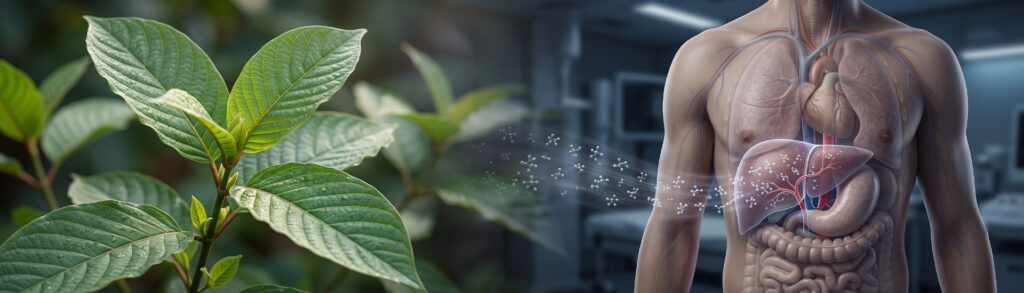
7-OH is short for 7-hydroxymitragynine, a compound associated with the kratom plant. It acts on mu-opioid receptors and can produce opioid-like effects. Concentrated 7-OH products may contain substantially higher amounts than naturally occurring levels found in kratom leaf.
The FDA has warned consumers about concentrated 7-OH products, including tablets, gummies, drink mixes, and shots. The agency states that these products are not FDA-approved for medical use and may cause serious harm, including dependence and withdrawal symptoms.
It is also important to distinguish concentrated 7-OH products from traditional kratom leaf. Some products marketed as kratom may contain concentrated or enhanced 7-OH. Identifying the exact product and ingredients can therefore help in assessing potential dependence and withdrawal risks.
Origins and Products
- Natural vs. Synthetic:Traditional kratom leaf has been used safely for centuries in small amounts. However, 7-OH products isolate or synthesize the chemical in labs to create a much stronger substance.
- Common Forms:These products appear as colorful tablets, liquid shots, gummies, and drink mixes.
- Store Availability:They are often sold legally in vape shops, gas stations, and online without strict regulation.
What Causes 7-OH Withdrawal Symptoms?
7-OH withdrawal may mostly happen when you stop the substance after your brain adapts to its constant presence. Because 7-OH targets mu-opioid receptors, abrupt cessation disrupts chemical balance, triggering flu-like physical and psychological distress:
1. Physical Dependence From Regular Use
Regular 7-OH use can cause physical dependence as the body adapts to repeated opioid-receptor activity. When use stops, this adaptation may contribute to uncomfortable physical and psychological withdrawal symptoms.
2. Higher Doses or Potency
Higher doses or concentrated products may increase exposure to 7-OH and potentially increase dependence risk. Stronger products can also contribute to more noticeable symptoms when regular use suddenly stops.
3. Frequent or Long-Term Use
Using 7-OH frequently or for extended periods can give the body repeated exposure to its effects. Greater exposure may increase the likelihood of experiencing withdrawal after stopping or reducing use.
4. Suddenly Stopping 7-OH
Stopping regular 7-OH use suddenly can trigger withdrawal symptoms because the body no longer receives its accustomed effects. These symptoms may develop as the nervous system adjusts to reduced opioid-receptor stimulation.
5. Individual Health and Substance Use
Individual health, previous opioid exposure, and use of other substances can influence how withdrawal develops. Medical conditions, medications, and personal patterns of 7-OH use may also affect symptom intensity.
Common 7-OH Withdrawal Symptoms
Going through 7-hydroxymitragynine withdrawal can be physically and emotionally difficult. The withdrawal can vary from person to person. Knowing what may occur can help you understand what your body is experiencing:
Muscle Aches
Body aches and muscle soreness can make ordinary movement uncomfortable. Some people may notice discomfort across their back, arms, legs, or other areas during withdrawal.
Key Indicators:
- Body soreness and discomfort.
- Aching arms or legs.
- Back and joint pain.
Sleep Disruption
Changes in sleep can make it harder to fall asleep or remain asleep through the night. Poor sleep may also leave you feeling tired and less able to manage daily activities.
Key Indicators:
- Difficulty falling asleep.
- Frequent night-time waking.
- Restless or disrupted sleep.
Anxiety and Irritability
Anxiety, nervousness, or irritability may appear alongside other withdrawal symptoms. These emotional changes can feel difficult to manage, particularly when physical discomfort and sleep problems occur at the same time.
Key Indicators:
- Persistent nervousness or anxiety.
- Increased irritability during withdrawal.
- Difficulty managing anxious feelings.
Sweating and Chills
Changes in body temperature may lead to sweating, chills, or alternating sensations of heat and cold. These symptoms can become particularly uncomfortable during the more noticeable stages of withdrawal.
Key Indicators:
- Sudden episodes of sweating.
- Feeling unusually cold.
- Alternating heat and chills.
Digestive Problems
Nausea, stomach discomfort, vomiting, or diarrhea may occur during withdrawal. These symptoms can interfere with eating and drinking, while persistent vomiting or diarrhea may also contribute to dehydration.
Key Indicators:
- Nausea or stomach discomfort.
- Loose stools or diarrhea.
- Reduced appetite during withdrawal.
Restlessness
Restlessness can create an uncomfortable need to move or change positions frequently. You may find this especially difficult when trying to relax, sit quietly, or sleep.
Key Indicators:
- Constant need for movement.
- Difficulty sitting comfortably.
- Trouble relaxing the body.
Cravings
Strong urges to use 7-OH again may occur during withdrawal. Cravings can become even harder to manage when physical discomfort, emotional changes, or familiar situations associated with use occur together.
Key Indicators:
- Strong urges to use.
- Frequent thoughts about 7-OH.
- Difficulty resisting substance use.
Fatigue
Low energy can make routine activities feel more demanding during withdrawal. You may feel unusually tired, lack motivation, or need additional rest while your body adjusts to reduced substance exposure.
Key Indicators:
- Persistent lack of energy.
- Feeling unusually tired.
- Reduced motivation for activities.
These symptoms can occur with opioid-like withdrawal, although experiences differ considerably between individuals. If symptoms become difficult to manage, speaking with a compassionate and reliable healthcare professional can help you understand available support and treatment options.
Causes and Risk Factors for Severity
The intensity of 7-OH withdrawal signs and symptoms can differ from one person to another. There are several factors related to use patterns, product strength, health, and substance exposure may influence the experience:
Causes
1. Physical Dependence
Repeated 7-OH exposure can lead to physical dependence, making symptoms more noticeable when regular use suddenly stops.
2. Opioid-Receptor Activity
7-OH interacts with opioid receptors, and changes in this activity after stopping can contribute to withdrawal symptoms.
3. Sudden Cessation
Stopping regular 7-OH use abruptly gives the body less time to adjust to reduced substance exposure.
4. Product Potency
Concentrated products may provide greater 7-OH exposure, which can influence dependence and the symptoms experienced after stopping .
Risk Factors
1. Frequent Use
Using 7-OH frequently may increase the body’s ongoing exposure and potentially influence withdrawal severity after stopping.
2. Long-Term Use
Longer periods of regular use can give the body more time to adapt to repeated 7-OH exposure.
3. Higher Amounts
Using larger amounts may increase overall exposure and could contribute to more noticeable withdrawal symptoms when use stops.
4. Other Substance Use
If you use other substances alongside 7-OH, it may complicate symptoms. Moreover, this may make it harder to determine the appropriate level of medical support.
7-OH Withdrawal Timeline
There is no single timeline for 7-OH withdrawal that applies to everyone. This is because withdrawal can vary with product strength, use patterns, and individual factors.
The following phases provide a general framework rather than a fixed schedule.
| Phase | Typical timeframe | Common symptoms |
| Early Phase | First 6–24 hours | Anxiety, restlessness, sweating, yawning, runny nose, cravings |
| Peak Phase | Days 1–3 | Muscle aches, nausea, diarrhea, chills, sweating, sleep disruption |
| Improvement Phase | Days 4–7 | Fatigue, low energy, mood changes, disrupted sleep |
| Longer-Term Phase | Weeks 2–6 | Cravings, sleep difficulties, low motivation, mood changes |
How Severe Can 7-OH Withdrawal Get?
The 7-OH withdrawal severity can vary considerably between individuals. Many people tend to experience symptoms that are manageable, while others experience withdrawal requiring medically supervised care. These are some peak withdrawal symptoms that you might experience during the journey:
- Severe agitation or confusion.
- Difficulty breathing or unusual breathing.
- Loss of consciousness.
- Seizures or convulsions.
- Persistent vomiting or diarrhea.
- Significant dehydration symptoms.
- Severe chest pain or pressure.
- Hallucinations or unusual behavior.
- Thoughts of self-harm.
- Extreme weakness or exhaustion.
Important: If you are experiencing breathing difficulties, seizures, loss of consciousness, severe confusion, or thoughts of self-harm, you should seek urgent medical attention.
Post-Acute Withdrawal Syndrome
Post-Acute Withdrawal Syndrome (PAWS) after 7-hydroxymitragynine refers to symptoms that may continue after the acute withdrawal period ends. These concerns can include changes in mood, sleep, energy, concentration, and cravings.
You may notice these changes for several weeks, although experiences can differ considerably. Symptoms may continue while the brain and body gradually adjust after regular 7-OH exposure, including following adetox program.
Common Symptoms of 7-OH Post-Acute Withdrawal
- Lingering Anxiety: Feelings of nervousness, tension, uneasiness, or worry may continue without an obvious trigger.
- Sleep Disruption: Difficulty falling asleep, waking during the night, or feeling poorly rested after sleeping.
- Intermittent Cravings: Occasional urges to use 7-OH or kratom products may return during recovery.
- Low Mood or Depression: Persistent sadness, reduced enthusiasm, or changes in emotional well-being may affect everyday activities.
- Anhedonia: Activities that usually feel enjoyable may seem less satisfying or interesting for a while.
- Brain Fog and Fatigue: Difficulty concentrating, remembering information, making decisions, or maintaining energy can affect normal routines over the following weeks.
- Irritability and Emotional Numbness: Increased irritability, mood changes, or feeling emotionally distant may occur during the recovery period.
Treatment Options for 7-OH Withdrawal
According to symptoms, substance use patterns, medical history, and individual needs, the treatment for 7-OH withdrawal symptoms may differ. A medical practitioner can assess your situation and discuss appropriate options:
1. Medical Evaluation and Symptom Management: An experienced healthcare professional may review withdrawal symptoms, substance use patterns, medications, and other health concerns. Your personalized treatment could involve supportive care or medications for certain symptoms.
2. Buprenorphine-Based Treatment: According to studies, buprenorphine-based Suboxone Treatment can give effective results for problematic 7-OH use and withdrawal. Its use is intendedwhen withdrawal symptoms and ongoing cravings require structured medical support.
However,medical assessment is important, as timing and method of starting can influence the treatment process.
3. Medications for Individual Symptoms
Experienced clinicians can sometimes suggest specific medications for specific withdrawal concerns, such as nausea, diarrhea, muscle discomfort, or restlessness.
For instance, they might prescribe Antidiarrheals for digestive issues,nausea medications for vomiting, or pain relievers for muscle aches and joint pain.The most suitable choices may depend on the individual’s symptoms, health history, and medications.
4. Methadone:Clinicians may consider Methadone when opioid-like withdrawal requires medication-based management. Its use, dosing, and any subsequent reduction might depend on the individual’s clinical circumstances and medical supervision.
5. Clonidine or Lofexidine:Clonidine or lofexidine may be considered to help manage certain physical withdrawal symptoms. These medications may help address symptoms such as sweating, restlessness, gastrointestinal discomfort, or anxiety-related symptoms under appropriate medical guidance.
When to Seek Professional Help?
If you find managing 7-OH withdrawal difficult alone or if it affects your daily functioning,professional support may be appropriate.
Reach out to a healthcare professional if you experience:
- Withdrawal after stopping:Symptoms repeatedly appear whenever you reduce or stop regular 7-OH use.
- Difficulty stopping:You have tried to quit but find yourself returning to 7-OH because symptoms or cravings become difficult to manage.
- Persistent cravings:Strong or recurring urges interfere with your ability to maintain your recovery plans.
- Disrupted daily life:Withdrawal affects your sleep, work, relationships, nutrition, hydration, or other routine activities.
- Increasing use:You find yourself using 7-OH more frequently or increasing the amount needed to achieve the desired effects.
- Other substance use:You also use opioids, alcohol, sedating medications, or other substances that could complicate your situation.
- Significant physical symptoms:Persistent vomiting, diarrhea, dehydration, severe restlessness, or other symptoms become difficult to manage.
- Mental health concerns:Severe anxiety, depression, confusion, unusual behavior, or thoughts of self-harm develop during withdrawal.
- Need for structured care:You feel unable to manage withdrawal safely without medical monitoring or additional recovery support.
Seek emergency medical attention for difficulty breathing, loss of consciousness, seizures, severe confusion, or other potentially life-threatening symptoms. The FDA advises immediate emergency care when someone using a 7-OH product becomes unresponsive.
Get the Right Support for 7-OH Withdrawal!
Stopping regular 7-OH use can bring physical and psychological symptoms, with experiences varying considerably between individuals. If you are finding it difficult to navigate this withdrawal journey, Carolina Recovery MD can provide physician-led addiction medicine care in a private medical setting.
Before discussing appropriate treatment options, Dr. Brian Adler and our clinical team can evaluate your symptoms, medical history, substance use, and recovery needs. Our practice aims to provide personalized treatment plans, medication management, detox support, and ongoing recovery care.
If withdrawal or cravings are making it difficult to stop on your own,contact Carolina Recovery MD to schedule a confidential consultation.A healthcare professional will discuss your concerns, explain available options, and help you determine the next appropriate step for your recovery.
Frequently Asked Questions:
1. How long does 7-OH withdrawal last?
There is no established duration for 7-OH withdrawal. Symptoms may begin within hours, while the overall course can vary according to use patterns, product potency, health, and individual response.
2. Is 7-OH withdrawal dangerous?
7-OH withdrawal can vary in severity, and some reported cases have required medically managed care. Seek urgent medical attention for breathing difficulties, seizures, loss of consciousness, severe confusion, or other serious symptoms.
3. Can you quit 7-OH cold turkey?
Some people may stop 7-OH abruptly, but withdrawal symptoms can become difficult to manage. Speaking with a healthcare professional can help determine whether supervised withdrawal, symptom management, or ongoing treatment may better suit your circumstances.
4. Is 7-OH withdrawal worse than kratom withdrawal?
There is not enough evidence to reliably compare 7-OH withdrawal directly with kratom withdrawal. Product concentration, dosage, frequency, duration of use, and individual factors can influence how withdrawal feels for different people.
5. What helps 7-OH withdrawal symptoms fastest?
There is no single approach proven to relieve 7-OH withdrawal symptoms fastest. Medical care may include symptom management, supportive treatment, or medications such as buprenorphine when clinically appropriate, based on individual assessment.